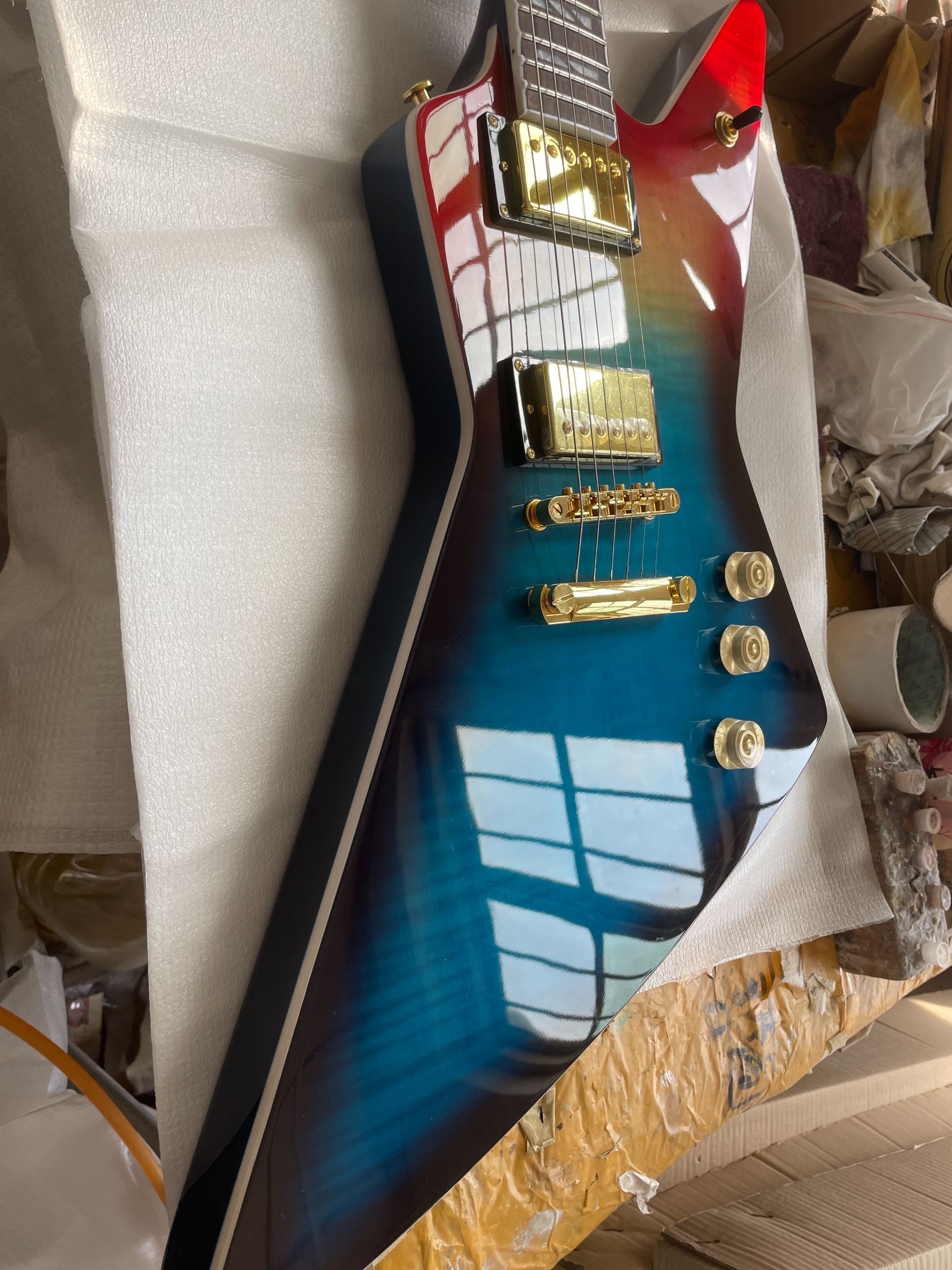
Building a custom guitar is more than a DIY project—it’s a deeply personal act of musical homage, craftsmanship, and sonic self-expression. For generations of metal players, no figure embodies that spirit more powerfully than Dimebag Darrell Abbott. His aggressive riffing, expressive whammy bar work, and unmistakable tone weren’t just heard—they were felt. Today, aspiring luthiers and passionate players can channel that same energy by assembling a high-fidelity electric guitar kit and transforming it into a personalized instrument inspired by Darrell’s iconic setups—without needing a factory budget or decades of woodworking experience.
Modern electric guitar kits offer unprecedented precision, consistency, and modularity. Unlike vintage restoration or scratch-built instruments, these kits provide CNC-machined bodies and necks, pre-routed cavities, and calibrated hardware mounting points—all designed for accuracy and playability right out of the box. What makes them ideal for a Dimebag-inspired build is their adaptability: you choose the wood species (e.g., alder body with maple neck for brightness and tight low-end response), select pickups matching his famed Dean ML configurations (like high-output humbuckers with ceramic magnets), and install locking tuners and a Floyd Rose-style bridge for stable dive-bombing and harmonic squeals.
The first practical step is selecting a kit that supports Darrell’s preferred scale length (25.5 inches) and string-through-body design—critical for sustain and tension balance when tuning down to C# standard or lower. Many reputable brands offer Strat- or Les Paul–style kits, but for authenticity, prioritize models compatible with extended-cutaway upper horns and deep-set neck joints, mirroring the ergonomics of his signature Dean MLs. Once assembled, sanding and finishing become opportunities for visual storytelling: apply a matte black base coat, then layer hand-painted red-and-purple flame motifs or subtle skull silhouettes—not as gaudy decals, but as airbrushed gradients that honor his stage presence without sacrificing elegance.
Electronics installation demands special attention. Darrell famously used active EMG 81/85 pairs, but many builders today opt for passive alternatives like Seymour Duncan JB and ’59 models wired in series with coil-splitting options—offering both searing leads and articulate cleans. Solder all connections with 63/37 rosin-core solder, shield cavities with copper tape grounded to the back of the volume pot, and test continuity before final reassembly. Use a multimeter to verify ground paths from bridge to jack, ensuring zero 60-cycle hum during high-gain passages.
Neck setup is where playability transforms into performance. After truss rod adjustment and fret leveling (if needed), set action between 1.6mm–1.8mm at the 12th fret for rhythm comfort and lead agility. File nut slots carefully using proper gauges—Darrell favored medium-jumbo fretwire and .010–.052 string sets, so nut width and depth must accommodate those specs without binding. Intonate each string individually on the bridge, then perform a full string stretch and retune cycle three times before final evaluation.
Beyond function, emotional resonance matters. Consider engraving a small “D” or “R.I.P.” inside the control cavity, or installing a custom pickguard with etched lyrics from “Cowboys from Hell” or “Floods.” These details aren’t gimmicks—they’re quiet tributes that deepen your connection to the instrument every time you plug in. Most importantly, treat the build as iterative: record yourself playing through different pickup combinations, experiment with EQ settings on your amp, and refine until the guitar responds not just to your fingers—but to your intent.
Finally, remember that Darrell’s genius wasn’t in perfection—it was in fearless authenticity. His guitars bore scratches, dents, and duct-taped switches because they were lived-in, loved, and pushed to the edge nightly. Your custom guitar doesn’t need flawless finishes or boutique price tags to carry that fire. It needs your hands, your ears, and your respect for what a well-built electric guitar kit—guided by vision and care—can become: a vessel for legacy, one note at a time.