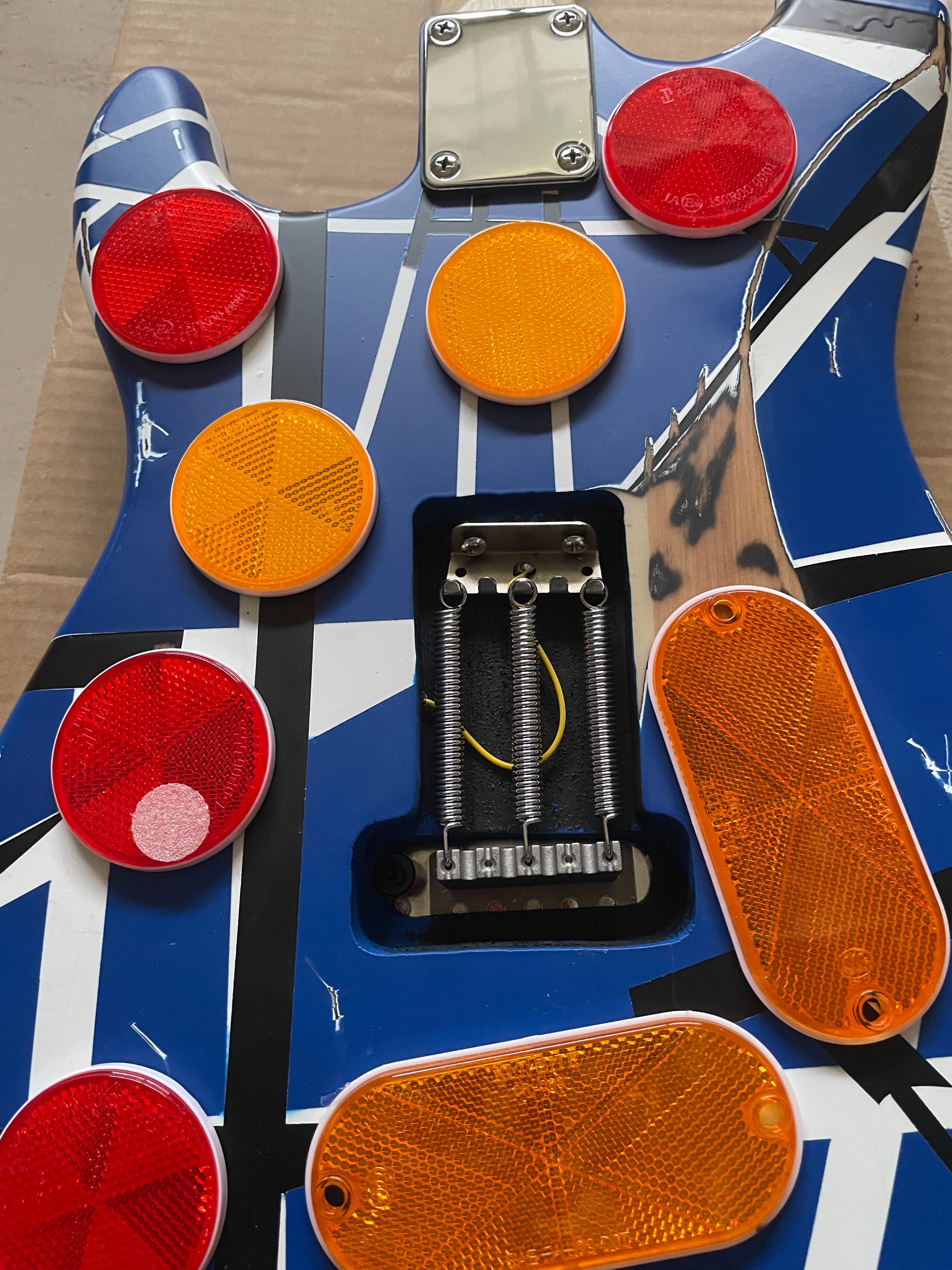
Selecting a guitar is rarely just about sound—it’s about alignment with identity, intention, and environment. Whether you’re shopping for a Solid body electric guitar to explore sonic textures in a home studio, an Acoustic guitar for campfire singalongs and spontaneous creativity, a Guitar for gift that balances sentiment with usability, or a Starter electric guitar designed to nurture early discipline without frustration, your choice reflects deeper priorities than tonal preference alone.
This guide moves beyond specs and brand comparisons to focus on real-world fit: how your daily routine, physical space, learning rhythm, and emotional connection shape the optimal instrument choice.
Consider the Solid body electric guitar first—not as a ‘rock-only’ tool, but as a responsive, low-barrier gateway to expressive control. Its compact size, lightweight build, and quiet practice potential (via headphone amps) make it ideal for apartment dwellers, late-night explorers, or those who value tactile feedback over volume. Unlike hollow-bodied alternatives, its sustain, tuning stability, and resistance to feedback allow consistent progress—even when practicing scales at 10 p.m. Pair it with a 15-watt modeling amp or direct USB interface, and you’ve built a scalable ecosystem that grows with technique.
Crucially, modern entry-level Solid body electric guitars now feature ergonomic neck profiles, smooth fretwork, and calibrated string action—reducing finger fatigue by up to 40% compared to vintage-inspired models.
The Acoustic guitar remains unmatched for immediacy and portability. With zero electronics required, it thrives in kitchens, parks, classrooms, and travel bags. Its resonance teaches dynamic awareness: play too hard, and the note distorts; play too softly, and the tone vanishes. This natural feedback loop builds ear training and rhythmic precision organically. For beginners, a well-set-up dreadnought or concert-body Acoustic guitar delivers rich fundamentals without demanding advanced finger strength.
When evaluating a Guitar for gift, prioritize playability over prestige. A properly intonated, low-action instrument invites repetition—the single most predictive factor of continued engagement. Include a padded gig bag, a clip-on tuner, and a beginner-friendly chord chart. These accessories transform a beautiful object into an active invitation to create.
A Starter electric guitar must serve two masters: accessibility and authenticity. It shouldn’t simplify so much that it misrepresents real playing mechanics—no toy keys or pre-programmed riffs. Instead, look for full-scale necks (24.75”–25.5”), nickel-plated steel strings, and passive pickups that respond dynamically to picking intensity and palm muting. Brands offering lifetime setup support or included online lessons add measurable value beyond hardware.
Importantly, avoid over-indexing on aesthetics alone. While color and finish spark joy, structural integrity—such as a glued-in neck joint and sealed die-cast tuners—ensures the instrument stays in tune during weekly practice sessions.
Context determines hierarchy. A teenager commuting via subway may thrive with a 3/4-scale Solid body electric guitar and Bluetooth amp, while a retiree rediscovering music might prefer the meditative strumming flow of an Acoustic guitar with a built-in pickup for occasional sharing. A Guitar for gift intended for a 12-year-old composer benefits from MIDI compatibility, whereas one for a poetry enthusiast leans into warm, vocal-friendly midrange.
Ultimately, the right guitar isn’t the one with the most features—it’s the one that fits seamlessly into your life’s existing architecture, encouraging daily return, not occasional display.
Invest time in trying instruments in person—or request detailed video demos from reputable sellers showing open-string resonance, fret buzz checks, and unplugged acoustic projection (for electrics, listen to clean-tone dynamics). Test how easily chords form across positions, whether the strap buttons align comfortably with your posture, and how the weight distributes over 15 minutes of holding.
Remember: every legendary player began with a single sustained note held just long enough to believe it mattered. Your next guitar isn’t equipment—it’s the first sentence in a lifelong conversation with sound.