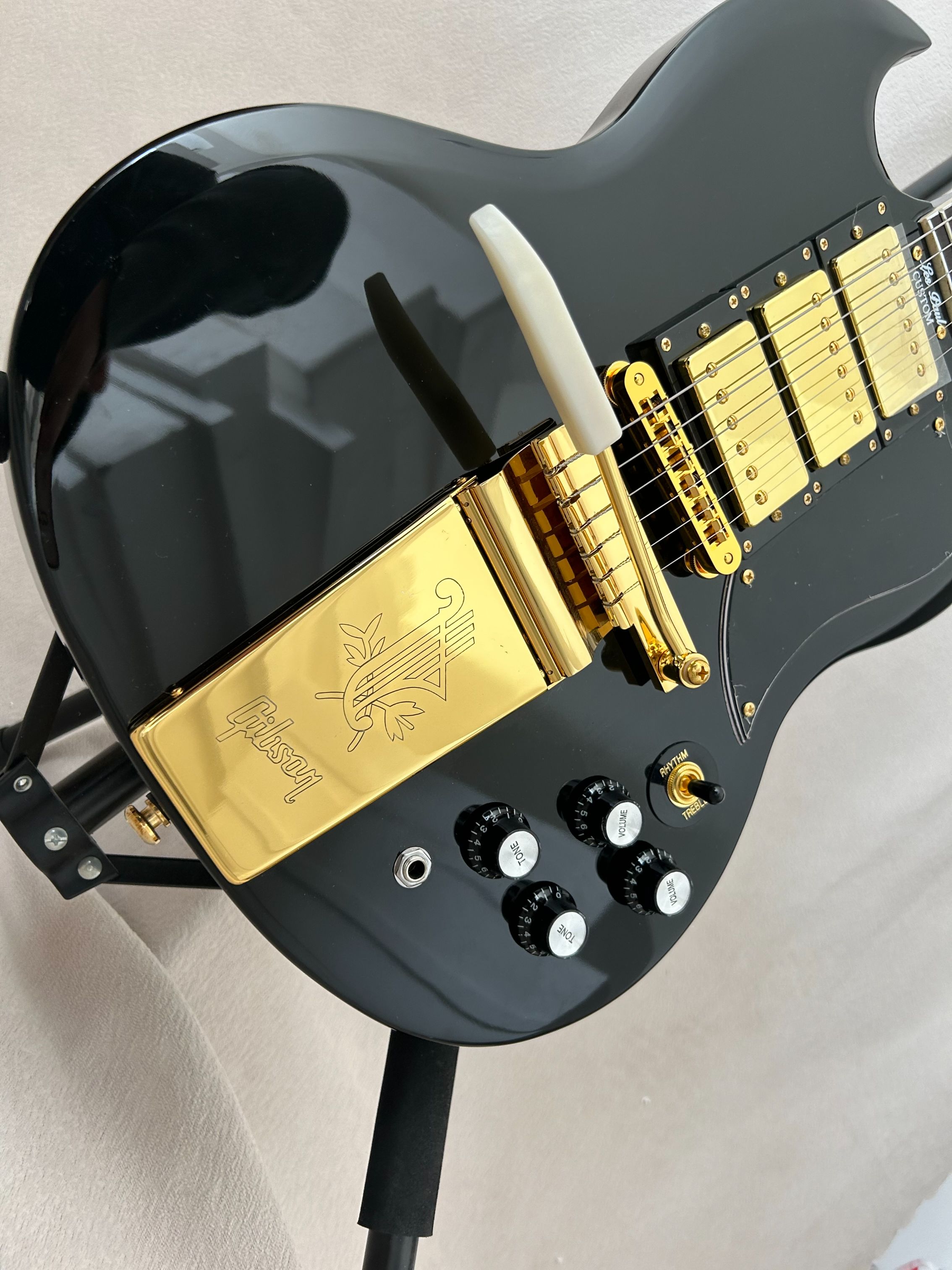
Selecting the right guitar is more than a transaction—it’s an investment in creativity, discipline, and emotional resonance. Whether you’re shopping for a Solid body electric guitar to explore sonic textures, an Acoustic guitar for intimate songwriting, a Guitar for gift that reflects thoughtfulness and intention, or a Starter electric guitar designed for seamless onboarding, your choice shapes musical identity from day one.
Yet most buyers navigate this decision without a structured framework—relying on aesthetics, brand familiarity, or peer recommendations alone. This guide reframes the process around functional alignment: matching instrument attributes to real-world usage, physical comfort, learning psychology, and long-term engagement.
Let’s begin with purpose-driven segmentation. A Solid body electric guitar excels in versatility, sustain, and tonal sculpting—ideal for genres spanning blues rock to modern metal. Its low string tension and slim neck profile lower initial finger fatigue, making it unexpectedly accessible for beginners who prioritize expressive lead playing over chord-based strumming.
In contrast, an Acoustic guitar delivers immediacy: no amplification needed, rich harmonic feedback, and tactile responsiveness essential for developing dynamic control and rhythmic precision. Its larger body and higher action demand more finger strength early on—but that very resistance builds dexterity faster than many realize.
When selecting a Guitar for gift, emotional resonance outweighs technical specs. Consider the recipient’s lifestyle: a compact travel-sized Acoustic guitar fits seamlessly into dorm rooms or apartments; a lightweight Solid body electric guitar with built-in headphone output enables silent practice during shared living situations.
Personalization matters—engraved truss rod covers, custom strap locks, or curated starter bundles (cable, tuner, gig bag) transform hardware into heirloom-worthy gestures. Avoid novelty-only instruments; instead, prioritize playability, intonation stability, and serviceable construction—even at entry-tier price points.
For learners, the term 'Starter electric guitar' often misleads. Many assume affordability means compromise—but today’s best Starter electric guitars feature CNC-cut neck joints, noiseless pickups, and ergonomic body contours previously reserved for premium models.
Key non-negotiables include proper setup out of the box (action under 1.8mm at 12th fret), fretboard radius between 9”–12”, and tuners with 14:1 gear ratio for stable pitch retention. Pair it with a 15-watt solid-state amp offering clean and overdrive channels—not just volume, but tonal flexibility that sustains motivation through early plateaus.
Sound quality isn’t solely about electronics or wood species—it’s rooted in structural integrity. A well-braced Acoustic guitar transfers string energy efficiently across its top, yielding balanced bass-mid-treble response even at low volumes.
A resonant Solid body electric guitar relies on dense, stable tonewoods (e.g., alder, mahogany) and precise bridge-to-neck alignment—ensuring vibrato use doesn’t detune and harmonics ring true. Test sustain by plucking open strings and measuring decay time; aim for ≥8 seconds at moderate volume.
Finally, integrate future-proofing into selection logic. Does the Acoustic guitar accept pickup installation? Can the Solid body electric guitar accommodate aftermarket pickups or tremolo upgrades? Is the Guitar for gift accompanied by transferable warranty and local technician support?
These details don’t appear in marketing copy—but they determine whether your instrument evolves alongside skill, rather than becoming obsolete after six months. Choose not just what sounds good today, but what empowers growth tomorrow—because every great guitarist began with one intentional, well-chosen note.